

 EN
EN
Mastering Road Clearing Operations with Advanced Wheel Loader Equipment
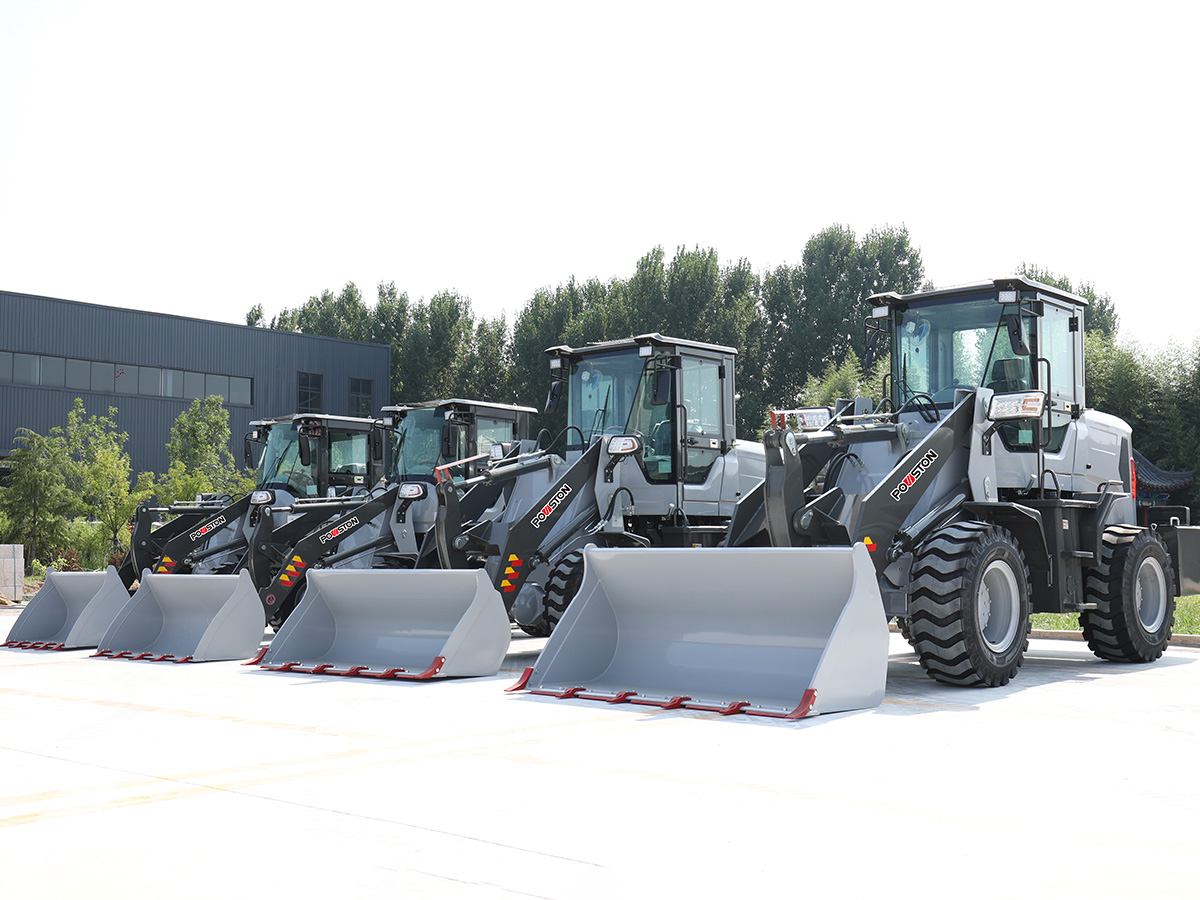
Infrastructure maintenance and rapid emergency response depend heavily on the efficiency of heavy machinery when natural disasters or rapid urban expansion demand immediate action. When operating a wheel loader during emergency road clearance or municipal construction, site commanders face tight schedules and unpredictable terrain conditions. From major highway restoration projects to local municipal debris removal, deploying the right equipment ensures that arterial routes reopen safely and swiftly. Modern civil engineering teams recognize that municipal authorities cannot afford delays caused by underpowered or mechanically unreliable vehicles. A high-performance wheel loader serves as the primary workhorse on any job site, combining high breakout force with exceptional travel speeds to shift massive volumes of earth, rock, and concrete rubble. Industry performance data indicates that municipalities equipped with modern fleet assets reduce average road blockage durations by nearly thirty-five percent. Consequently, understanding the core operational parameters of a reliable wheel loader is vital for project managers seeking to optimize municipal budgets and enhance public safety infrastructure across diverse geographic regions. Furthermore, comprehensive site planning and regular equipment audits ensure that every single wheel loader operates at peak efficiency throughout demanding multi-shift schedules, thereby minimizing unexpected project interruptions and maximizing overall asset utilization rates.
Evaluating Technical Specifications and Mechanical Excellence in Modern Machines
The engineering behind modern heavy machinery has advanced significantly, focusing heavily on operator ergonomics, fuel efficiency, and hydraulic response times. A top-tier wheel loader integrates turbocharged diesel engines with advanced torque converter transmissions, ensuring optimal power delivery even when tackling dense, compacted debris. In mechanical evaluations conducted across various municipal testing grounds, experts emphasize that hydraulic breakout force directly dictates clearing velocity. If a machine lacks adequate bucket tilt cylinders or structural frame reinforcement, operators risk equipment failure when attempting to pry up heavy asphalt slabs or frozen winter snowpacks. Furthermore, modern cabs are equipped with climate control, noise reduction insulation, and intuitive joystick controls that minimize operator fatigue during grueling, multi-shift operations. Selecting a wheel loader equipped with advanced load-sensing hydraulics and intelligent cooling systems ensures continuous performance without overheating, thereby reducing long-term maintenance overhead and extending the useful service life of the machinery across demanding industrial applications. Engineering teams continue to refine axle designs and braking systems to maximize traction on slippery, rain-slicked roadways, ensuring superior safety and control in adverse weather conditions. Every premium wheel loader undergoes rigorous factory stress testing to guarantee structural longevity under extreme torsional loads.
Real World Application Scenarios in Emergency and Municipal Infrastructure Projects
Diverse operational environments demand specialized adaptability from heavy equipment fleets. During catastrophic landslide clearance or post-storm urban debris management, a heavy-duty wheel loader proves indispensable for clearing blocked mountain passes and flooded municipal avenues. Field reports from international civil contractors demonstrate that utilizing an articulated wheel loader allows for tight-radius turning in constrained urban alleys where standard rigid-frame trucks cannot maneuver. In one notable municipal reconstruction project following a regional winter blizzard, contractors deployed a fleet of specialized machines equipped with multi-purpose buckets and snowplow attachments to clear over fifty miles of blocked highway within forty-eight hours. These real-world scenarios highlight that a versatile wheel loader is not merely a loading tool, but a multi-functional asset capable of adapting to trenching, grading, and material transport tasks. Ensuring that machine configurations match specific regional soil conditions, altitude performance ratings, and climate demands is essential for avoiding costly project delays and maintaining continuous operational momentum during emergency responses. Site supervisors consistently report that having a dependable wheel loader on standby drastically improves overall project coordination and emergency preparedness across complex urban municipal networks. Additional field studies indicate that utilizing specialized attachments expands the operational utility of each wheel loader significantly across various specialized civil engineering sectors.
Strategic Financial Benefits and Total Cost of Ownership Optimization
Investing in heavy capital machinery requires a comprehensive financial analysis that extends well beyond the initial purchase price or upfront invoice. A budget-friendly machine might reduce initial capital expenditure, but frequent hydraulic failures and excessive fuel consumption can quickly inflate the total cost of ownership over a five-year operational lifecycle. Fleet management audits consistently demonstrate that purchasing a premium wheel loader equipped with fuel-optimized engines and durable wear-resistant bucket edges reduces overall maintenance expenditures by nearly twenty-five percent. When project managers calculate return on investment, reliability and parts availability become paramount considerations. Selecting a wheel loader backed by comprehensive manufacturing support and easily accessible replacement components ensures that machinery remains operational during critical peak demand periods. This strategic approach protects municipal and commercial budgets, hedges against unexpected repair downtime, and secures long-term asset value, making a high-quality wheel loader an indispensable cornerstone of modern construction and municipal maintenance portfolios. Long-term financial planning proves that upfront investments in superior build quality yield exponential savings in operational overhead over the lifespan of the equipment. Furthermore, financing a reliable wheel loader through trusted suppliers provides flexible capital allocation for growing civil contractors.
Driving Long-Term Infrastructure Success Through Trusted Manufacturing Partnerships
Securing dependable heavy machinery ultimately relies on the manufacturing expertise, quality control standards, and global supply chain integrity of the equipment provider. Redy-Med leverages advanced automated fabrication lines, rigorous metallurgical testing protocols, and robust international distribution networks to deliver exceptional machinery tailored to the rigorous demands of global infrastructure projects. By combining precision engineering with responsive technical support and comprehensive aftermarket service kits, industrial buyers receive equipment built to withstand grueling multi-shift environments. Partnering with an experienced manufacturing expert ensures that every municipal agency and construction contractor is equipped with dependable tools designed to drive long-term operational success, enhance job site safety, and support sustainable infrastructure development. As urban expansion and road maintenance demands continue to evolve, choosing a trusted partner ensures that your heavy equipment fleet remains a powerful, reliable engine for commercial expansion and community resilience. Every wheel loader delivered embodies a commitment to uncompromising manufacturing standards, ensuring international clients achieve maximum productivity and enduring asset reliability across all operational landscapes. Furthermore, comprehensive operator training programs and preventative maintenance guides provided by the manufacturer guarantee that fleets achieve optimal performance from day one, maximizing return on investment across every single deployment cycle.
Table of Contents
- Mastering Road Clearing Operations with Advanced Wheel Loader Equipment
- Evaluating Technical Specifications and Mechanical Excellence in Modern Machines
- Real World Application Scenarios in Emergency and Municipal Infrastructure Projects
- Strategic Financial Benefits and Total Cost of Ownership Optimization
- Driving Long-Term Infrastructure Success Through Trusted Manufacturing Partnerships