

 EN
EN
The Evolution of Industrial Material Handling and Modern Logistics
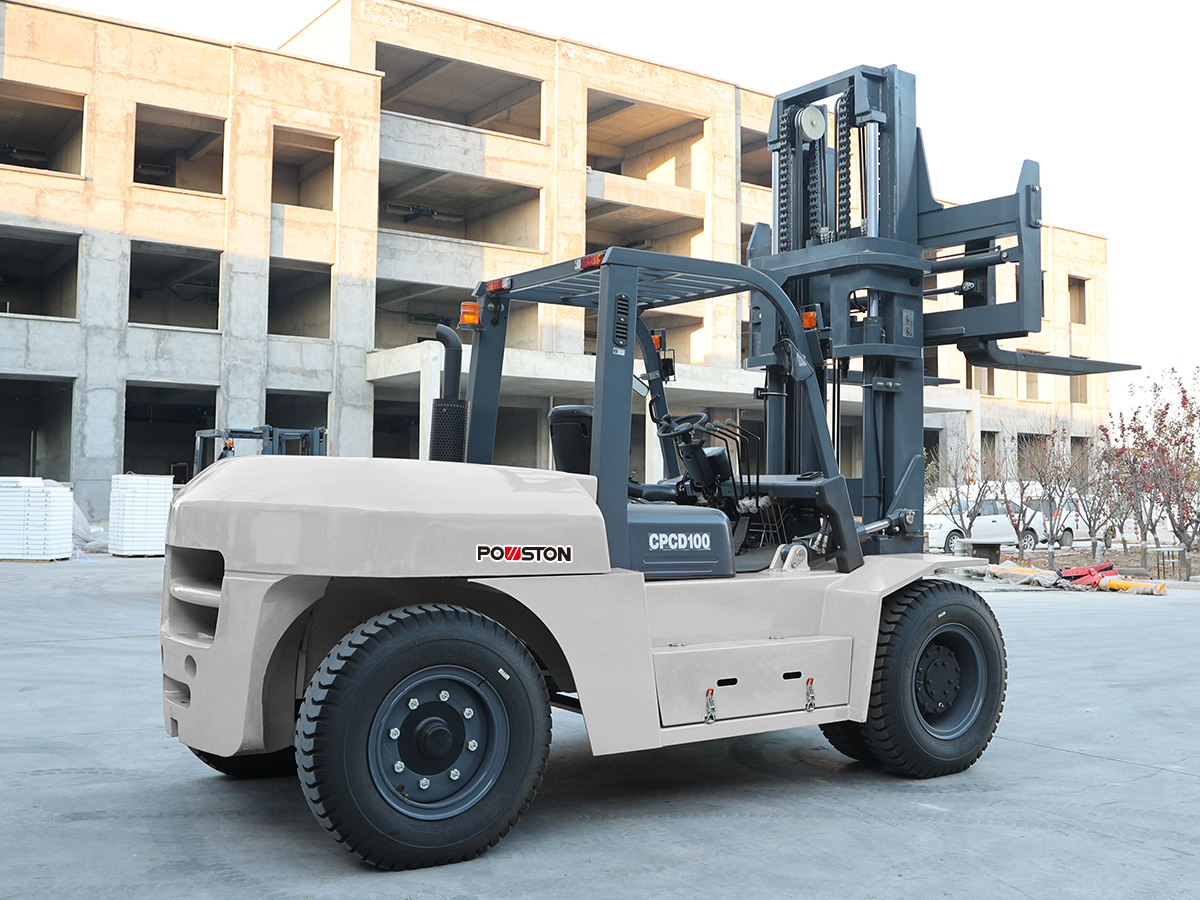
Global supply chains are moving faster than ever before, and warehouse managers face constant, unrelenting pressure to optimize turnaround times without compromising safety standards or operational integrity. When sourcing a reliable forklift for sale, procurement teams are no longer just looking at basic lifting capacities or nominal horsepower ratings. Modern facilities require smart, energy-efficient machines that integrate seamlessly into highly automated workflows, narrow aisle layouts, and high-density storage environments. Across busy distribution hubs in North America, Europe, and emerging industrial corridors, upgrading fleet assets has become a critical operational strategy for reducing bottlenecks and scaling throughput. High-performance material handling equipment directly impacts daily operational success, fundamentally transforming how raw inventory moves efficiently from receiving docks to high-rack storage racks. Sourcing the right machinery requires an in-depth understanding of facility layout, load distribution dynamics, and the intense physical demands of multi-shift working environments. Industry leaders recognize that investing in superior machinery is the cornerstone of maintaining a competitive edge in today's fast-paced international market, ensuring that every warehouse can handle increased volume without sacrificing workplace safety.
Advanced Engineering and Technological Superiority in Heavy Equipment
Today's industrial machinery represents a massive, unprecedented leap forward in mechanical and electrical engineering, combining high-strength steel fabrication with cutting-edge digital controls and intelligent monitoring systems. Advanced models incorporate high-capacity lithium-ion power systems, regenerative braking, and intelligent telematics that monitor battery health, tire wear, hydraulic pressure, and operator behavior in real-time. Precision mast design and responsive hydraulic controls allow operators to maneuver heavy loads in tight warehouse aisles with pinpoint accuracy, reduced cycle times, and minimal product damage. Enhanced operator visibility cabins reduce physical fatigue during extended multi-shift operations, while smart electronic sensors actively prevent overloading, mast destabilization, and dangerous vehicle tipping. These engineering breakthroughs ensure that every forklift for sale on the current market delivers maximum operational uptime with significantly lower maintenance interventions over its extended lifecycle. Fleet operators benefit greatly from predictive diagnostic tools that alert maintenance teams to potential mechanical issues before they cause unexpected operational delays, thereby safeguarding enterprise productivity, reducing repair expenses, and maintaining absolute supply chain continuity across all distribution channels.
Real-World Operational Scenarios Across Diverse Industrial Sectors
Deploying the right equipment requires matching machine specifications to demanding physical environments and unique operational challenges across diverse manufacturing sectors. In refrigerated cold-storage facilities, specialized corrosion-resistant coatings, thermal-protected wiring harnesses, and low-temperature hydraulic fluids ensure uninterrupted, flawless performance in sub-zero freezing conditions where standard equipment frequently fails. Meanwhile, heavy manufacturing plants rely on robust internal combustion and heavy-duty electric models to safely transport raw steel coils, heavy press dies, and palletized assemblies across rugged concrete yards, gravel paths, and uneven terrain. Field reports and operational case studies from international logistics providers indicate that transitioning to modern fleets cuts aisle transit times by nearly twenty percent while virtually eliminating cargo handling errors and product breakage. Real-world deployment proves that versatile material handling solutions adapt effortlessly to both tight urban distribution centers and expansive industrial parks. Furthermore, specialized attachments such as paper roll clamps, carton clamps, push-pull attachments, and multi-pallet handlers enable facilities to handle irregular loads with exceptional dexterity, proving that a well-chosen machine is completely indispensable for diverse industrial applications.
Maximizing Return on Investment Through Strategic Equipment Selection
Investing in new capital equipment demands a careful, comprehensive calculation of the total cost of ownership rather than focusing solely on the initial purchase price or upfront invoice. Energy-efficient electric models drastically lower monthly utility bills and eliminate the ongoing, messy costs associated with fossil fuel storage, emissions management, and fluid handling, while durable mechanical components minimize unexpected repair downtime. Fleet managers who prioritize build quality, superior thermal management, and readily available spare parts see a significantly faster return on investment through extended asset lifespans and higher residual resale values when upgrading fleets. Sourcing durable machinery ensures that warehouse operations remain resilient against unexpected market shifts, seasonal volume spikes, and sudden surges in consumer demand, protecting profit margins while scaling up daily handling capacities. Financial analysis consistently demonstrates that organizations treating material handling investments as strategic capital assets rather than simple commodities enjoy lower operational overheads, enhanced safety records, and superior capital efficiency over a multi-year horizon, giving them a distinct advantage over competitors using aging equipment.
Empowering Global Supply Chains with Trusted Manufacturing Partnerships
Securing dependable logistics equipment ultimately depends on the strength, transparency, and integrity of the manufacturing partner behind the machinery. Redy-Med leverages advanced automated production lines, strict quality assurance protocols, precision component sourcing, and a robust global supply chain to deliver exceptional material handling solutions to international clients. By combining precision engineering with responsive after-sales technical support, comprehensive operator training guides, and readily accessible spare parts inventories, industrial buyers receive machinery built to withstand the rigorous daily demands of modern multi-shift facilities. Partnering with a reliable manufacturing expert ensures that every distribution center is equipped with dependable tools designed to drive long-term operational success, enhance workplace safety, and support sustainable business growth. As global trade continues to demand higher standards of reliability, choosing a trusted partner ensures your logistical infrastructure remains a powerful, reliable engine for commercial expansion and continuous enterprise profitability.
Table of Contents
- The Evolution of Industrial Material Handling and Modern Logistics
- Advanced Engineering and Technological Superiority in Heavy Equipment
- Real-World Operational Scenarios Across Diverse Industrial Sectors
- Maximizing Return on Investment Through Strategic Equipment Selection
- Empowering Global Supply Chains with Trusted Manufacturing Partnerships