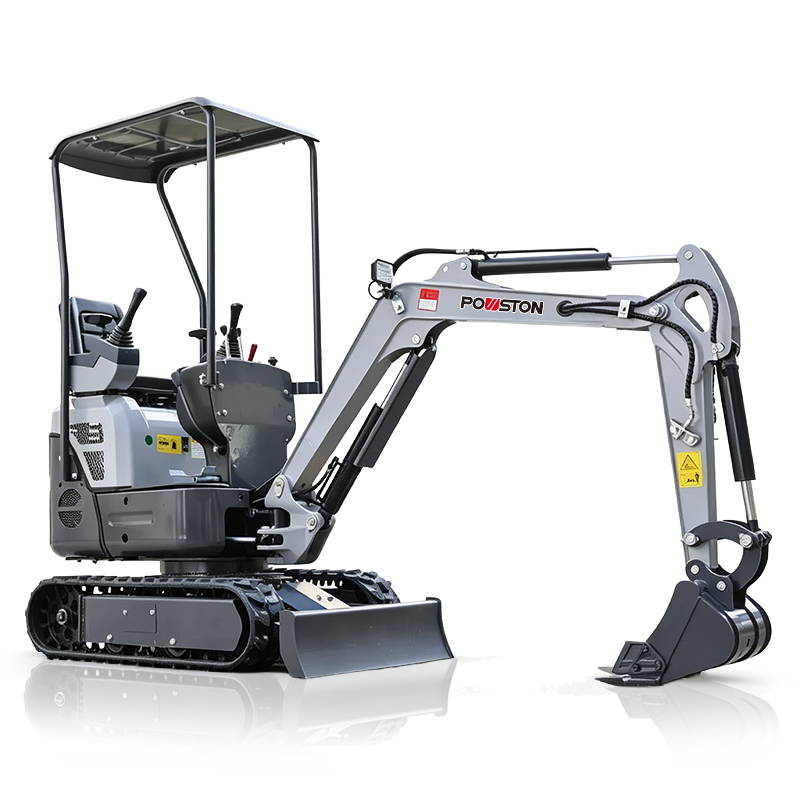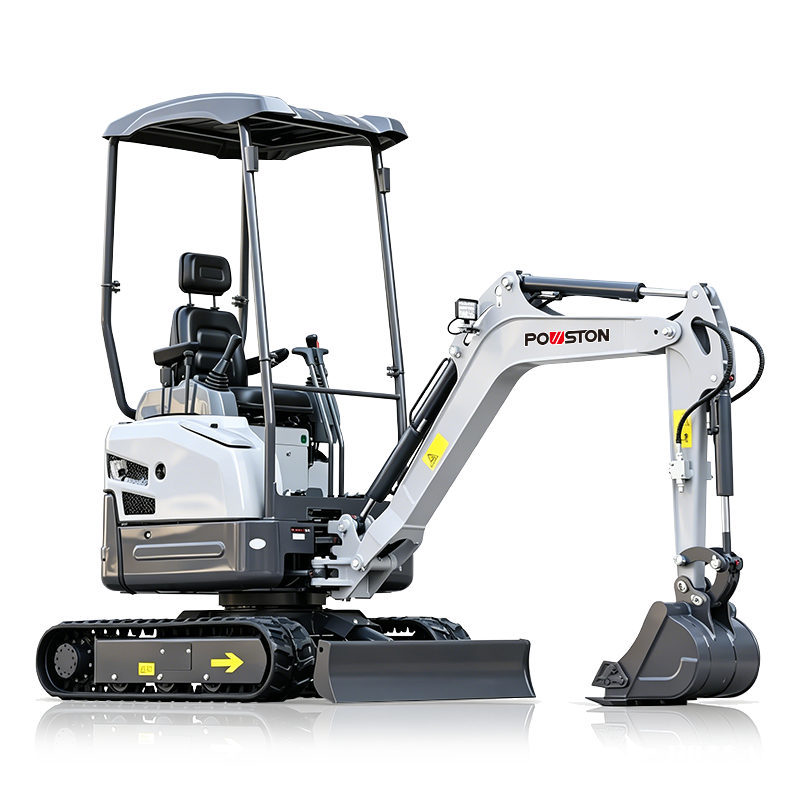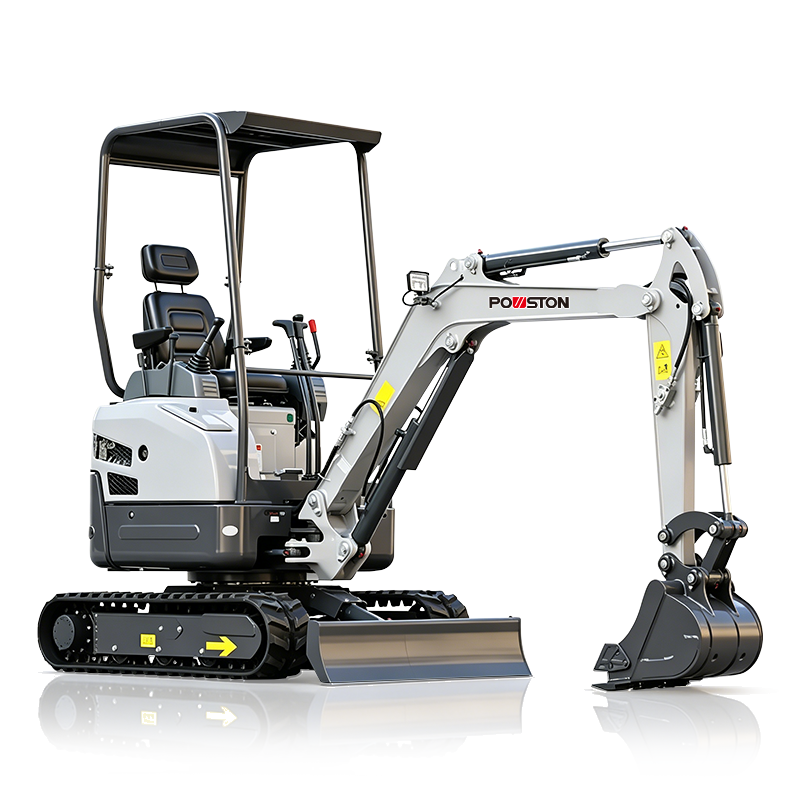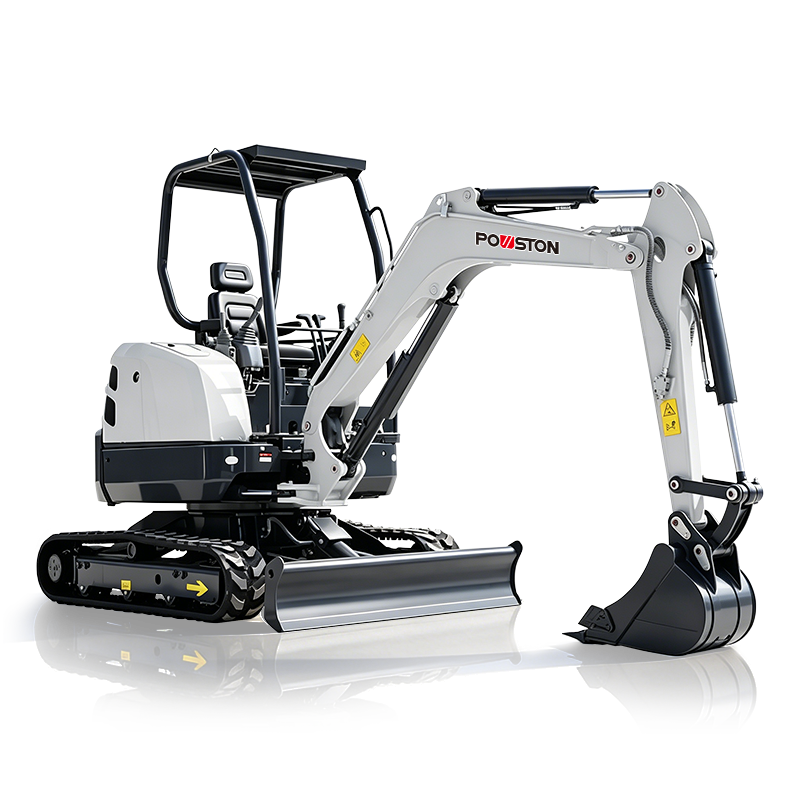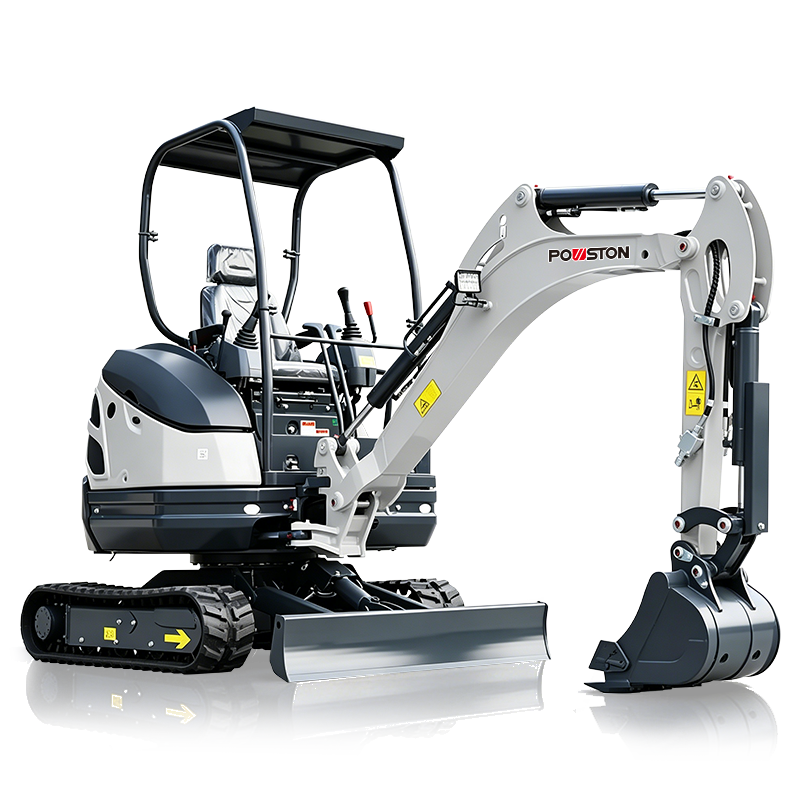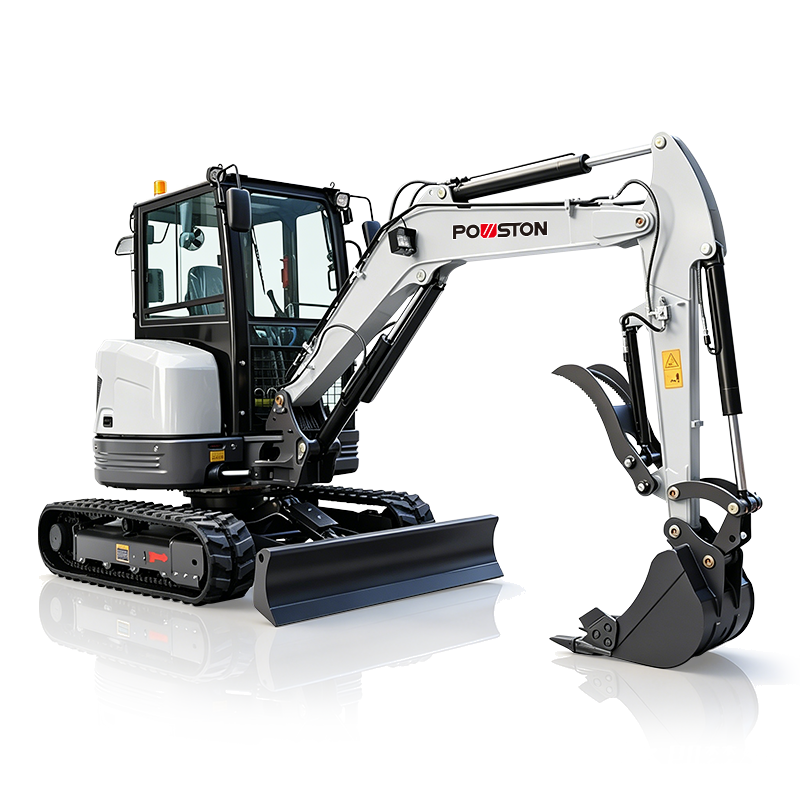

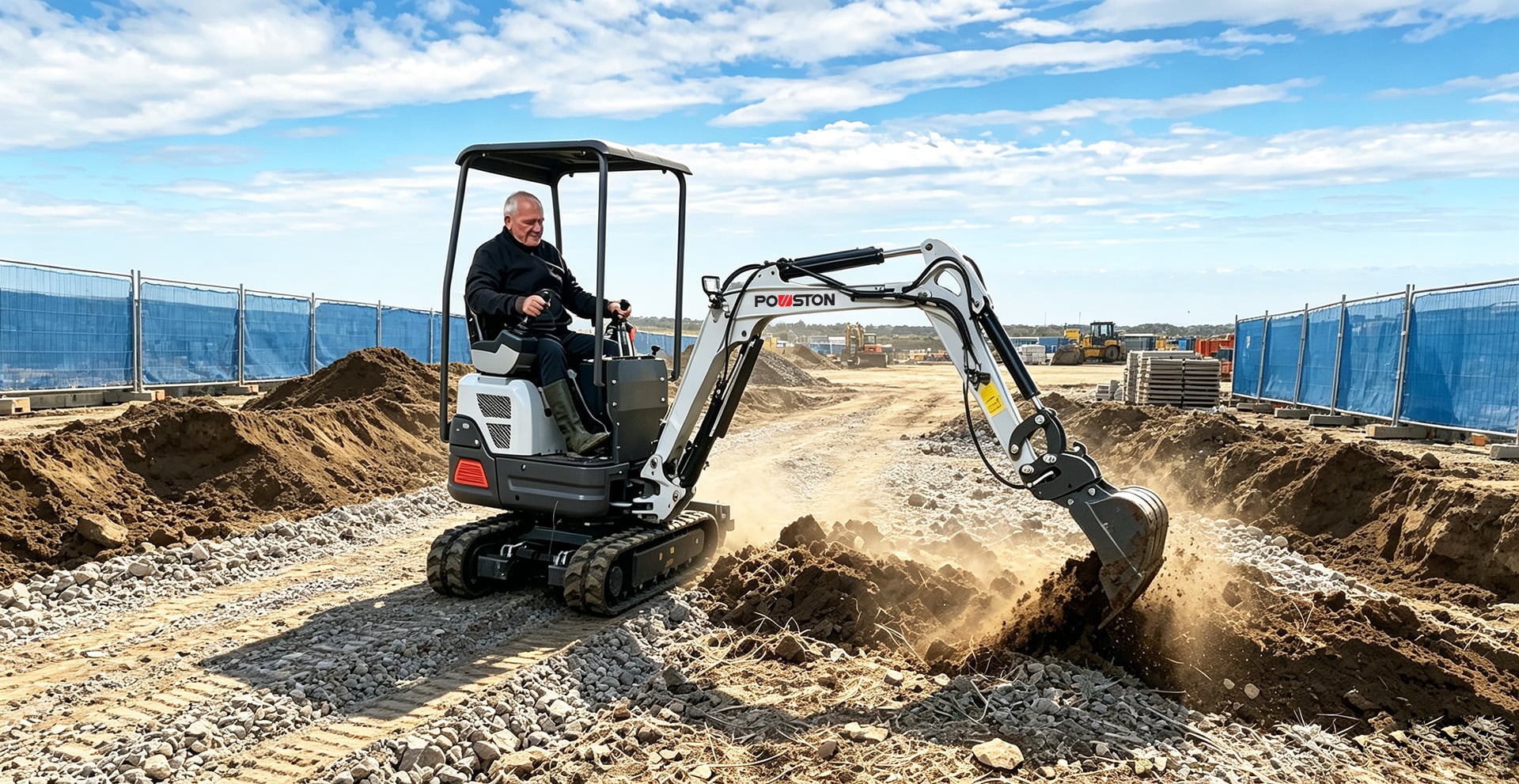
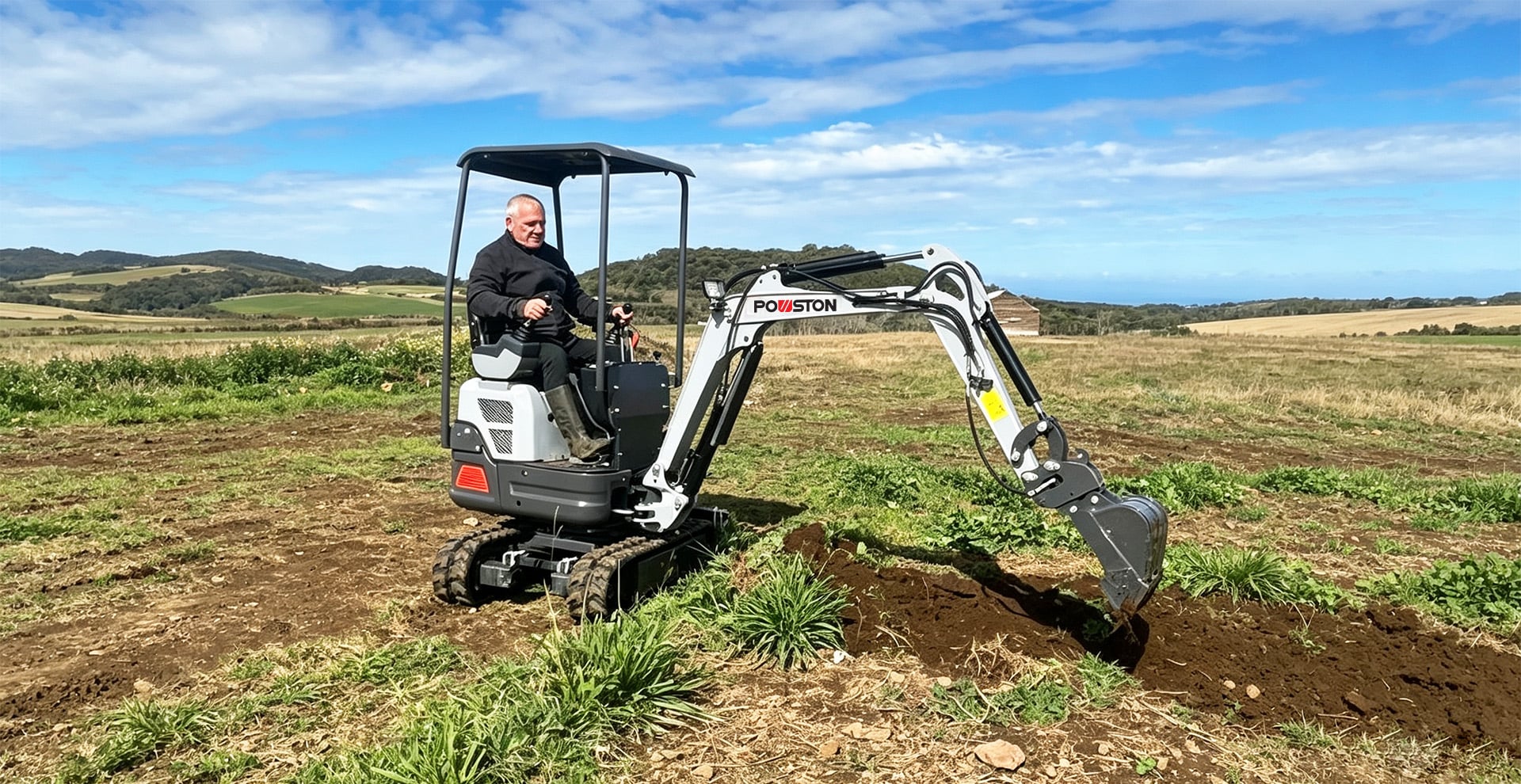
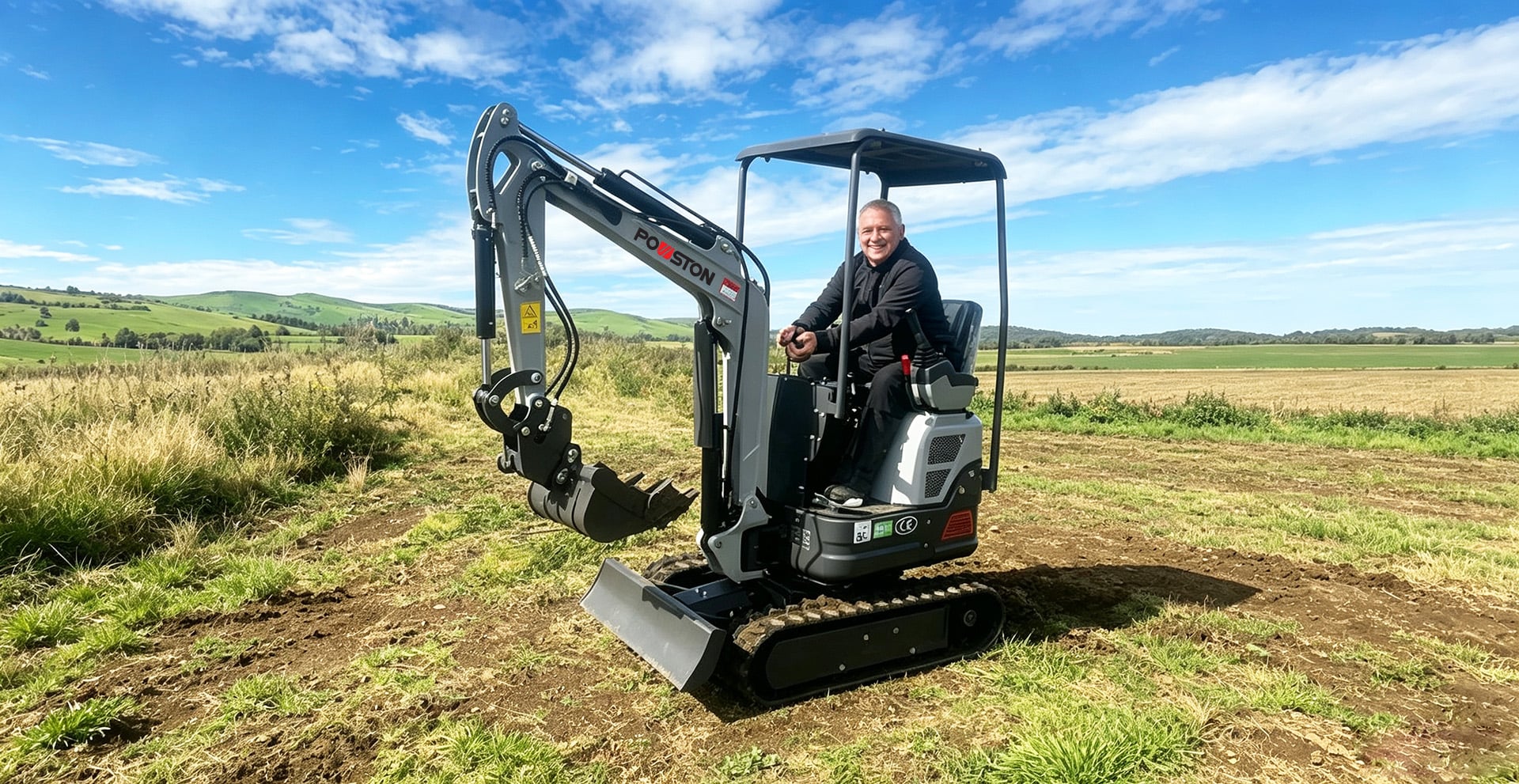
The mini excavator has proven to be a highly effective and versatile solution for rural infrastructure construction projects. Its compact size and adaptable design allow it to operate efficiently in environments where larger machinery would struggle, such as narrow rural roads, uneven farmland, and mountainous terrains. This combination of flexibility and power makes it ideal for a wide range of rural construction tasks, including road maintenance, ditch construction, backfilling, pipeline excavation, and homestead leveling.
In rural road maintenance, the mini excavator can efficiently repair and grade small roads, ensuring smooth travel for local traffic. Its precise hydraulic control allows operators to manage the depth and slope of the road surface accurately, while minimizing damage to adjacent fields, fences, or irrigation structures. This precision reduces labor requirements and speeds up project completion, which is especially valuable in remote areas where access to resources may be limited.
For ditch construction, the mini excavator excels in digging drainage channels for irrigation or stormwater management. Its compact frame enables it to work in confined or irregular spaces, allowing for consistent trench dimensions and proper water flow. Additionally, the machine’s maneuverability ensures that even hilly or uneven terrain can be navigated safely, reducing operational risks and improving efficiency.
Backfilling and pipeline excavation are other key applications of the mini excavator in rural infrastructure development. It can remove and relocate soil precisely, prepare foundations, and handle pipeline trenches with minimal disruption to the surrounding environment. This capability is particularly valuable for homestead leveling, where creating a stable, even surface is crucial for building or agricultural purposes.
Overall, this mini excavator case demonstrates how a compact, highly adaptable machine can significantly enhance rural infrastructure projects. By combining precision, efficiency, and versatility, it enables operators to complete a variety of tasks—from road maintenance and ditching to pipeline work and homestead leveling—with minimal labor, faster timelines, and high-quality results. Its ability to work in challenging rural environments makes it an essential tool for local governments, contractors, and private landowners involved in rural development and maintenance projects.




 EN
EN