
If you’re in construction, landscaping, farming, or small-scale engineering, you know the frustration of choosing a mini excavator that fails to meet your needs—too big, too weak, or prone to breakdowns. Over 40% of end-users struggle with confusing parameters, uneven quality, and poor after-sales service. This guide solves these pain points, walking you through selecting a mini excavator that fits your project, budget, and long-term needs, with tips to avoid traps and maximize your investment.
Why Choosing the Wrong Mini Excavator Costs You Time and Money
A mismatched mini excavator causes significant issues:
Lost productivity: Ill-fitting machines slow projects and miss deadlines.
High maintenance costs: Low-quality models often have 8% annual hydraulic failure rates due to poor design.
Wasted investment: Ill-suited machines have low resale value, a key quality indicator.
Legal risks: Non-compliance with EPA Tier 4/EU Stage V standards leads to fines and restrictions.
Most buyers focus only on price or specs, ignoring job compatibility, build quality, and after-sales support. Below is a step-by-step solution to avoid these mistakes.
Step 1: Define Your Project Needs (The Foundation of Right Choice)
Match the mini excavator to your specific job requirements—don’t buy based on popularity. Here’s how to analyze your needs:
1.1 Identify Your Primary Job Scenarios
Mini excavators (1–20 tons) are versatile but optimized for specific tasks. Align your project with the right machine:
Narrow spaces (indoor demo, landscaping, orchard trenching): Choose a 1–6 ton zero-tail swing micro excavator (360° rotation, no protrusions). Opt for width under 800mm for narrow gates/elevators.
Small-scale construction (rural housing, village roads, small earthwork): 6–20 ton models balance flexibility and efficiency for light-to-medium tasks.
Green/enclosed environments (urban sites, greenhouses): Electric mini excavators are silent, zero-emission, and regulation-compliant.
Multi-task projects: Prioritize hydraulic quick couplers to switch attachments (buckets, breakers) quickly, boosting productivity by 20%+.
1.2 Calculate Your Workload and Frequency
For part-time use (2–3 times/week), a mid-range model suffices. For daily heavy use, choose a durable machine with reinforced components (one-piece cast boom brackets, built-in hydraulic lines).
1.3 Set a Realistic Budget (Total Cost, Not Just Sticker Price)
Low upfront prices hide hidden costs. When budgeting, consider:
Initial purchase price
Fuel/electricity costs: High-efficiency engines (Kubota/Yanmar) save 1500–3000 yuan annually for 1000 hours of use.
Maintenance costs: Longer intervals (500 vs. 300 hours) reduce service expenses.
After-sales costs: No local service means weeks of downtime and lost revenue.
Step 2: Key Factors to Evaluate (Avoid Common Traps)
Evaluate mini excavators using these 4 core dimensions to avoid pitfalls:
2.1 Performance Parameters: Look Beyond Paper Specs
Focus on metrics that impact performance, not just engine power or bucket capacity:
Hydraulic system: Flow and pressure determine digging force/speed. Load-sensing systems save energy; avoid exposed lines (prone to damage).
Tonnage power: Higher reserves mean better heavy/continuous work performance (e.g., rock breaking).
Fuel efficiency: Ask for third-party data—1.8-ton Kubota models use 1.2–1.4L/hour vs. 1.6–1.8L for low-quality models.
2.2 Build Quality: Durability = Long-Term Savings
Lifespan depends on build quality. Look for these features:
Boom/arm: One-piece cast brackets eliminate weld fatigue; reinforced steel in high-stress areas.
Engine: Choose reputable brands (Kubota/Yanmar) for reliability; avoid “Kubota-type” generic engines.
Cab comfort: Ergonomic design (AC, low noise, visibility) reduces fatigue; LCD displays catch issues early.
2.3 After-Sales Support: The Unsung Hero of Reliability
A great machine needs good support. Verify these before buying:
Local service: Nearest center and response time (prefer 2-hour emergency, 24-hour parts delivery).
Warranty: Full vs. limited coverage; reputable brands offer 1+ year full warranty on core components.
Parts availability: Local distribution centers avoid 90-day international waits that cripple projects.
2.4 Emission Compliance: Avoid Legal Headaches
International buyers must ensure compliance with EPA Tier 4/EU Stage V—non-compliant machines face fines and low resale value.
Step 3: Our Solution: Mini Excavators That Fit Your Exact Needs
Our mini excavators solve the pain points above, delivering reliability, efficiency, and value with these features:
✅ Tailored to Your Scenario
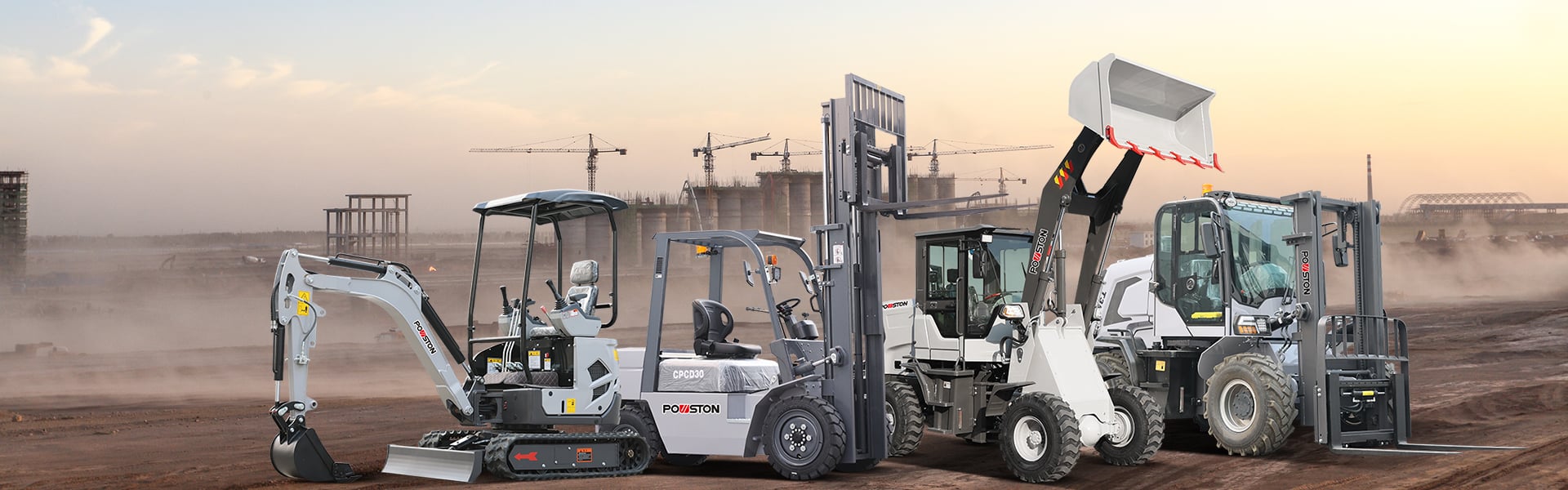
Our 1–20 ton line includes zero-tail swing, electric, and multi-purpose models—perfect for landscapers, farmers, and small construction teams.
✅ Built for Durability and Efficiency
Genuine Kubota/Yanmar engines and load-sensing hydraulics ensure low fuel use and high performance. One-piece booms and built-in lines reduce hydraulic failure to <3% (vs. 8% industry average), with 200-hour quality testing.
✅ Comprehensive After-Sales Support
8 distribution centers (US/Canada/Europe) and 800+ global service points offer 2-hour emergency response, 24-hour parts, and 1-year core warranty—focus on your project, not breakdowns.
✅ Transparent Pricing and Compliance
Full cost breakdown (no hidden fees); all models meet EPA Tier 4/EU Stage V for compliance and high resale value.
Step 4: Final Checklist (Before You Buy)
Confirm your choice with this checklist:
Tonnage/size matches my primary job scenario.
Engine is a reputable brand (Kubota/Yanmar) with proven efficiency.
Hydraulic system has load-sensing tech and protected lines.
Manufacturer has local service and clear warranty terms.
Machine meets local emission standards.
I have a full cost breakdown (no hidden fees).
Conclusion: Invest in the Right Mini Excavator, Save Time and Money
Choosing the right mini excavator means matching it to your project, prioritizing durability and support. Follow this guide to boost productivity, cut maintenance costs, and get long-term value.
Ready for your perfect mini excavator? Contact our team to analyze your needs, get a model recommendation, and a customized quote—turn project frustrations into success.

Solve Pain Points with Quality, Efficiency & Reliability




 EN
EN